Title: How to Spot Gunite Pool Damage Early: Signs Every Phoenix Homeowner Should Know
Updated: May 12th, 2025
Gunite pools are known for their durability, but even the strongest surfaces wear down under the Arizona sun. Spotting early gunite pool damage signs can save you thousands in repair costs and extend the life of your pool. In this guide, we’ll show you the most common gunite pool damage signs and what you can do about them.
Visible Cracks in the Pool Surface
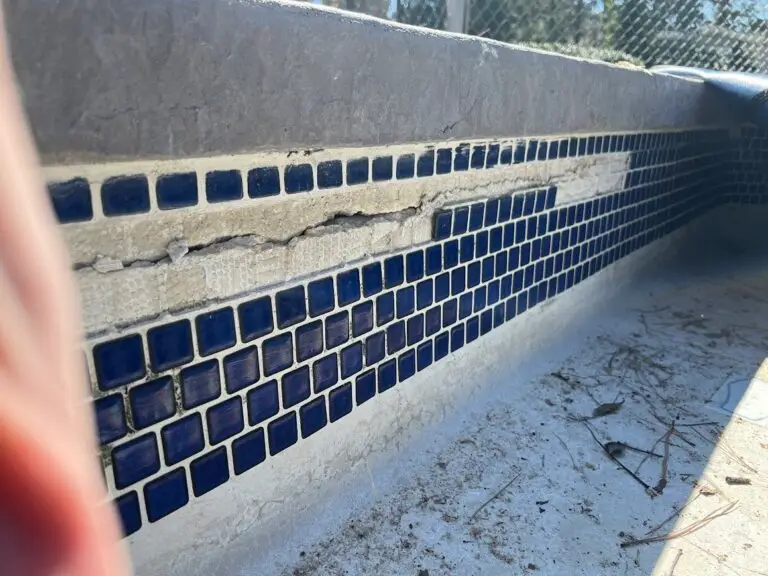
Small hairline cracks may seem harmless at first, but they can widen over time and lead to leaks or structural issues. If you spot spiderweb cracks or long fractures along the floor or walls, you’re likely seeing the first gunite pool damage signs. Don’t ignore them—these cracks can indicate deeper issues that require Phoenix pool repair.
Plaster Peeling or Flaking (Spalling)
Peeling plaster, also called spalling, often shows up on steps and shallow areas. This is a clear gunite pool damage sign that your surface is breaking down and may need resurfacing soon. In Phoenix, where pools are exposed to extreme temperatures, plaster peeling can happen faster if water chemistry isn’t maintained properly.
Stains That Don’t Go Away
Metal, algae, or calcium stains that resist scrubbing could indicate deeper surface issues. While not always serious, persistent stains are often connected to gunite pool damage signs, especially if they accompany surface roughness or cracks. In many cases, acid washing or pool resurfacing may be necessary.
Rough or Uneven Texture
If your pool feels rough on your feet or has patches of coarse texture, the surface layer may be deteriorating. This roughness is one of the more subtle gunite pool damage signs but can worsen quickly if left untreated. It’s also a strong indicator that a Phoenix pool repair specialist should take a look.
Water Loss That’s Not Evaporation
If you’re losing more than 1/4 inch of water per day and it’s not due to heat, you may have a leak. Cracks, broken plumbing, or skimmer damage are common causes—and all are linked to serious gunite pool damage signs. In Phoenix’s dry climate, unnoticed leaks can lead to higher water bills and long-term damage.
When Should You Call a Pool Repair Specialist?
If you notice any of the gunite pool damage signs above, it’s best to consult a local Phoenix pool repair professional before things get worse. Catching problems early keeps your pool safe, attractive, and cost-effective to maintain.
Final Thoughts
Arizona’s extreme weather puts extra stress on your pool. By understanding and watching for early gunite pool damage signs, you can avoid major repairs and extend the life of your investment. Regular inspections and timely maintenance are your best defense.
Ready to Restore Your Pool?
Don’t wait until damage gets worse. Contact us today for a free, fast quote
We care about quality and safety. Learn more about pool safety standards and industry best practices.
What are the most common signs of gunite pool damage?
Common gunite pool damage signs include surface cracks, plaster peeling, rough textures, and persistent water loss. Spotting these early is key for timely Phoenix pool repair and avoiding costly resurfacing down the road.
Are cracks in a gunite pool always a serious problem?
Not always. Hairline cracks may be cosmetic, but deeper or spreading cracks in a gunite pool can indicate structural issues or leaks. If you’re unsure, it’s best to call a Phoenix pool repair expert for an inspection.
Why is my pool plaster peeling or flaking?
Plaster peeling, also known as spalling, happens when the surface starts breaking down—often due to aging, poor water chemistry, or improper application. It’s a common sign your gunite pool may need resurfacing.
How Often Should You Plaster a Pool in Phoenix AZ?
At least once per year, especially before peak swim season. A quick inspection can prevent costly issues.
How can I tell if my gunite pool is leaking?
If your pool loses more than 1/4 inch of water daily and evaporation isn’t the cause, you may have a leak from cracked gunite, plumbing issues, or a damaged skimmer. Leak detection is crucial in Phoenix’s dry climate.
When should I resurface my gunite pool?
Most gunite pools need resurfacing every 10–15 years. If you see rough spots, staining, or plaster degradation, it may be time to resurface your pool to prevent bigger repairs and improve appearance.